Most people wait too long to buy in Palm Springs. And when they finally feel ready, the home they wanted is already out of reach.
Here’s the truth: if Palm Springs is even a future retirement idea for you, waiting until you’re ready to live here full-time is usually the most expensive mistake people make.
I’m Glen Nadeau. I’m a real estate agent here in Palm Springs – but I’m also a native Vermonter, so I know the East Coast default assumptions around retirement probably better than most agents in this desert. Let’s have the real conversation about what it actually looks like to retire here versus there, and why this decision is worth thinking about sooner than you think.
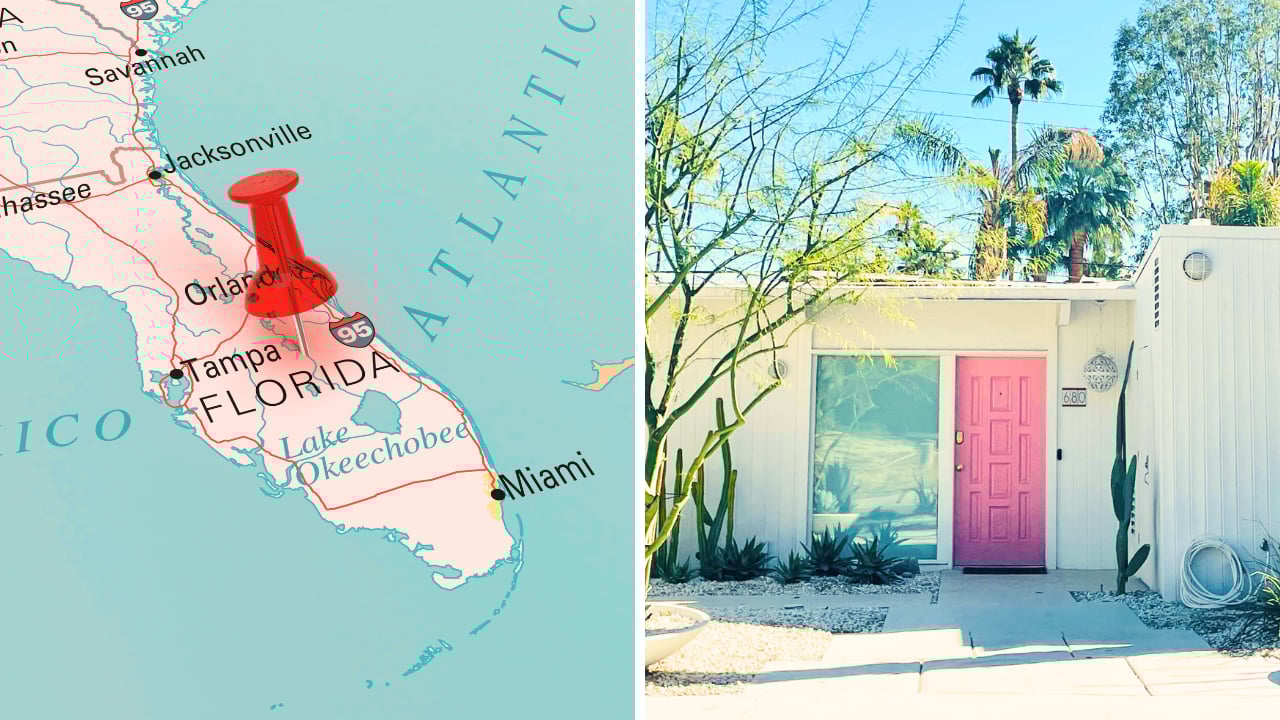
Is Palm Springs Better Than Florida for Retirement?
For many East Coast buyers, Palm Springs offers a more intentional retirement lifestyle than Florida, especially for those prioritizing architecture, walkability, LGBTQ+ community, and long-term real estate stability. While Florida may offer lower state income tax, Palm Springs provides a distinct desert climate, strong property values in the $800K+ range, fewer hurricane-related risks, and a deeply established LGBTQ+ presence. Buyers considering retirement often find that purchasing a Palm Springs home early – then renting it out until they’re ready to move full-time – creates more financial flexibility and long-term equity growth.
Reframe the question
Most people frame the retirement question wrong. The question isn’t: Where should I retire? The real question is: What kind of life do I actually want in the second half?
Florida has been the default retirement destination for so long that many East Coast buyers rarely stop to ask whether it still makes sense for them specifically – their values, their budget, their lifestyle, what community means to them.
Florida works beautifully for a lot of people. But it’s not the only option, and it’s increasingly not the best option for a growing number of East Coasters who want something a little different.
Over the past several years, we’ve seen a steady increase in buyers relocating here from New York, Massachusetts, DC, Connecticut, and other parts of the Northeast. Many of them initially assumed Florida would be the move – until they came here and felt the difference in culture, pace, and identity.
Factor one: Lifestyle – two very different pictures
Let me paint two pictures.
Florida retirement, at its most typical, looks like a large planned community, a lot of square footage, an HOA with a newsletter, chain restaurants within a five-minute drive, and a social calendar built around proximity to the grandkids. For millions of people, that is the dream. There’s nothing wrong with that picture.
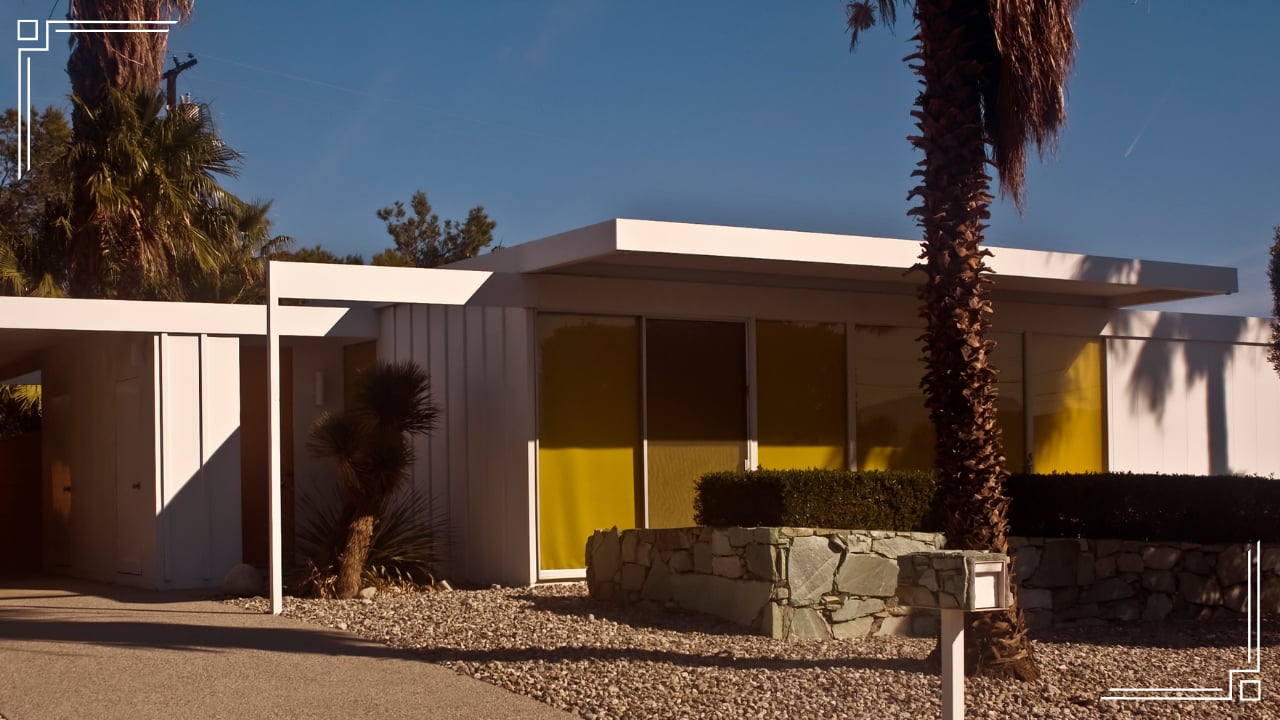
Palm Springs retirement looks like a mid-century modern home with a private pool, the San Jacinto Mountains as your permanent backdrop, a downtown where you actually walk places, independently owned restaurants and galleries, and a social scene that’s genuinely warm and always inspiring.
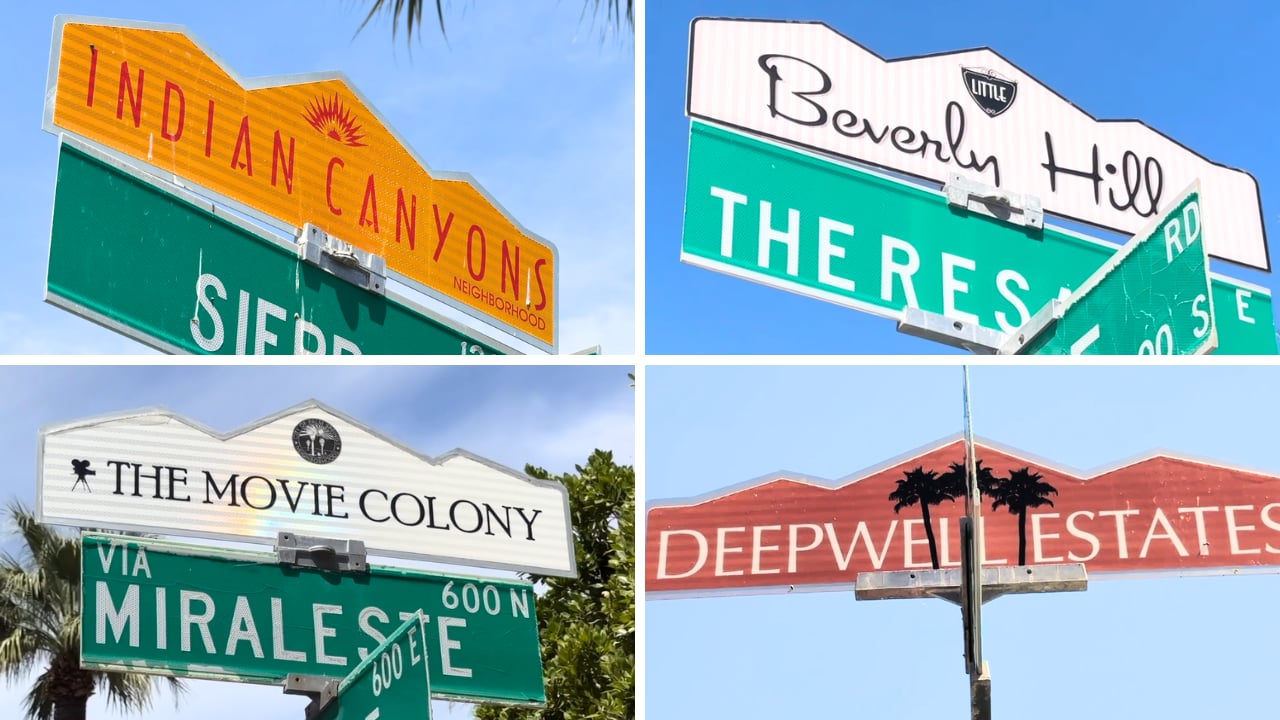
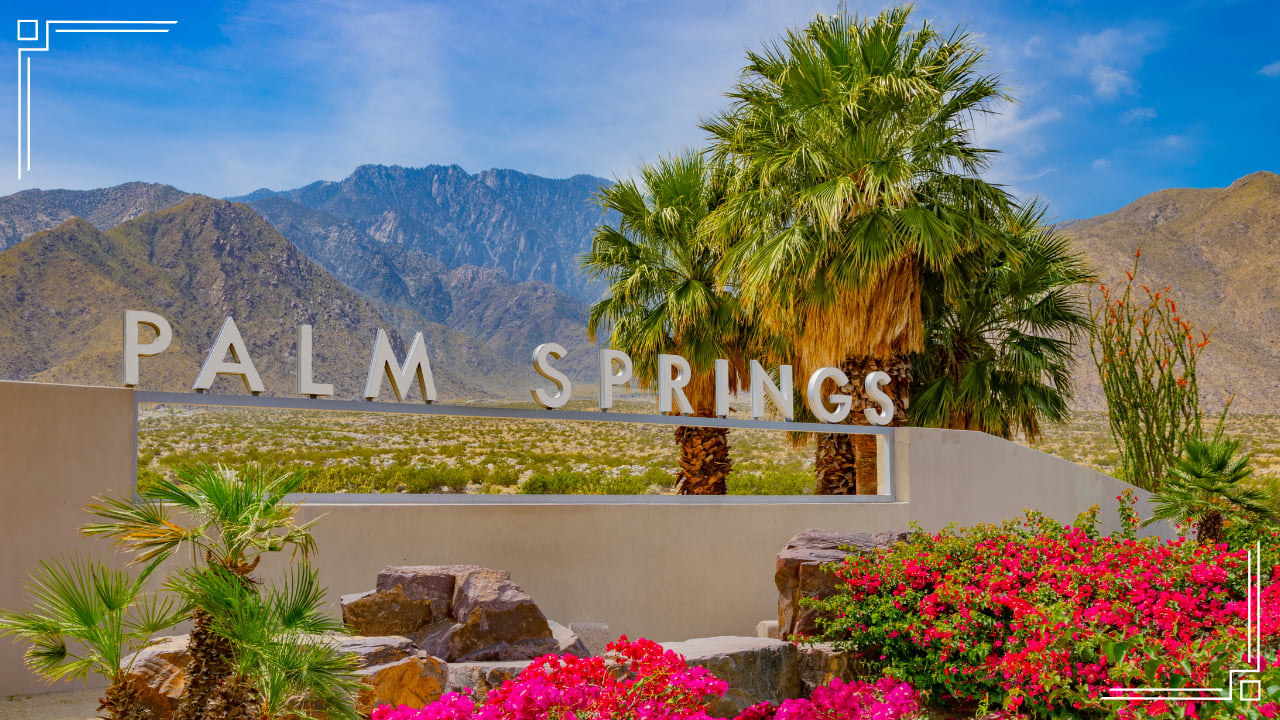
Palm Springs is also a surprisingly small city, with a population in the mid-45,000 range. It has a strong identity because it’s been building the same story for decades: design, light, openness, reinvention.
A note on LGBTQ+ community
Palm Springs is widely recognized for having one of the highest concentrations of LGBTQ+ residents in the U.S., with estimates commonly cited around 40–50%. That reality shapes the culture here in a way you can feel quickly: chosen family, real visibility, and an ease to social life that many buyers describe as relief.
Florida has LGBTQ+ communities, certainly. But the legal and cultural climate there has shifted in recent years in ways that matter to people making a long-term decision. For many LGBTQ+ buyers and allies, Palm Springs feels much more than welcoming – it feels like home.
Factor two: The financial picture – where the real comparison is hiding
I hear this one constantly: California is too expensive.
Yes, California has a higher cost of living than Florida in several categories. But real estate in Palm Springs tells a more nuanced story, especially in the $800,000 to $2 million range.
To put this in context, recent Palm Springs median sale price reporting has hovered around the high-$600Ks to low-$700Ks depending on source, timeframe, and season. Translation: at $1 million, you’re not buying the top of the market – you’re buying into the core of it, especially if you’re targeting the neighborhoods and property types that make Palm Springs so iconic and coveted.
Florida insurance isn’t a footnote anymore
Florida’s high-end market has appreciated too, but it comes with a different set of concerns – and insurance is one of the big ones.
Reuters reported that average homeowner premiums in Florida surged nearly 60% between 2019 and 2023. That kind of volatility changes monthly cost, resale math, and peace of mind, especially in coastal and storm-exposed areas.
California has its own insurance pressures, largely tied to wildfire risk in certain regions. But Palm Springs sits on the desert floor, not in a coastal hurricane corridor. It’s a different risk profile, and the distinction matters more than headlines suggest.
The retirement strategy most people miss
Here’s what I often recommend clients looking to relocate to Palm Springs in retirement:
If you have any real desire to retire in Palm Springs, purchase your retirement home now. Don’t wait. Rent it out as long as you need. Let someone else help pay down the mortgage. Let equity build quietly. Then move in when life, work, and emotional timing all line up. The home will be there waiting for you.
That’s how long-horizon buyers reduce stress.
One important nuance: not every neighborhood allows short-term rentals, and rules can vary by HOA and local regulation – which is why the strategy conversation should always happen upfront.
Factor three: Architecture is the lifestyle
Palm Springs has one of the highest concentrations of mid-century modern architecture anywhere in the world. Homes connected to iconic Desert Modernism names like Albert Frey are a meaningful part of the city’s identity.
This might sound like a minor point compared to finances and community, but it matters more than people expect. When you live in a home designed with real intention – clean lines, indoor-outdoor flow, private courtyards, and glass that frames the mountains – it changes how you feel in your day-to-day life.
Florida has gorgeous homes, absolutely. But Palm Springs offers architectural identity as a daily experience, not just a style you select from a brochure.
Quick Q&A for East Coasters considering Palm Springs
Why are East Coasters moving to Palm Springs?
In essence, many East Coast buyers are drawn to Palm Springs for its mid-century modern architecture, established LGBTQ+ community, cultural identity, mountain scenery, and slower pace. Buyers relocating from New York, Boston, and Washington, DC often describe the shift as moving from density and humidity to openness and clarity.
Is Palm Springs too hot in the summer?
Summer is legitimately hot. Visitor guides note that summer temps can hit the low triple digits. Many full-time residents travel seasonally, while others simply embrace early mornings, misters, pools, and a well-loved AC system.
Should I come for a weekend to decide?
A weekend is a vibe check. A week can lead to more of a decision. Walk the neighborhoods and test out regular life here. See how it feels when the sun sets and when the mountains turn pink every morning.
Is Palm Springs too hot to live in year-round?
Palm Springs summers are hot, with temperatures often exceeding 100 degrees in July and August. However, many residents adjust by traveling seasonally, enjoying early mornings and evenings outside, or simply embracing air-conditioned comfort and making good use of their swimming pools. The other 8-10 months of the year offer mild, sunny weather that draws visitors and part-time residents from across the country.
Frequently Asked Questions About Retiring in Palm Springs
Is Palm Springs a good place to retire compared to Florida?
Palm Springs is an excellent retirement option for buyers who value architecture, LGBTQ+ community, walkability, and long-term real estate strategy. While Florida offers tax advantages, Palm Springs provides a unique desert lifestyle, enduring property values, and fewer hurricane-related risks. The right choice depends on your priorities, budget, and long-term plans.
Is Palm Springs real estate a good investment for retirement?
In the $800,000 to $2 million range, Palm Springs real estate has shown consistent long-term appreciation, especially in architecturally significant neighborhoods. Many retirement buyers purchase early, rent the home seasonally if allowed, and allow equity to build before relocating full-time.
Why buying and investing in Palm Springs is smart overall
Palm Springs remains one of Southern California’s most magnetic lifestyle markets because it offers something increasingly rare: architectural identity, a real sense of community, cultural depth, and a quality of life that’s easy to fall into and hard to replicate.
If Palm Springs is even on your horizon, the smartest move is rarely a rushed decision. It’s a plan. The buyers who do best here are the ones who think ahead, buy strategically, and let time do some of the work.
If you’re buying, selling, investing, or quietly planning a future move to Palm Springs or the Coachella Valley, I’m happy to talk it through with you. No pressure. Just perspective – and a real strategy based on your goals.
Question: If you’re an East Coaster, what feels most non-negotiable for retirement: weather, community, walkability, or costs?
If you want to go deeper, check out:
-
Want to Retire in Palm Springs? This One Move Makes It Way Easier
-
10 Welcoming Neighborhoods: Why Palm Springs Should Be Your Next Home
-
The “Quiet Migration” Happening in Palm Springs: 5 Reasons Locals Are Selling
What other questions do you have?
If you’re considering buying, selling, investing, or relocating to Palm Springs or the Coachella Valley – even if it’s a “someday” plan – call or text me anytime. No pressure. Just a smart strategy conversation based on your goals.
Your Palm Springs Insider,
Glen Nadeau
📱 Call or Text: 805-220-8097
📨 Email: [email protected]
📅 Zoom: Click here and let's schedule it!
💻 Website: https://www.modernlivingpalmsprings.com
🔎My Google Business Reviews ⭐️⭐️⭐️⭐️⭐️
PS- Are you a part of the LGBTQ+ community and looking to relocate to Palm Springs and the Coachella Valley? Check out our FREE “Palm Springs Enthusiasts LGBTQ+ Relocation Guide” and find out why Palm Springs is such an oasis of Pride and inclusivity – brought to you by The Palm Springs Guys and Glen Nadeau Real Estate 🏳️🌈
*We cannot guarantee any of the above statements or third-party links. Before you enter any transaction, you should read and review all contracts, leases, and information as they are unique and subject to changes. We recommend you consult with your accountant, attorney, tax advisor, and local real estate professionals prior to any real estate transactions.