If Palm Springs Is on Your 10-Year Plan, You're Already Behind
You know the story. You come to Palm Springs for a long weekend, maybe a friend's birthday or a design event, and somewhere between the first poolside cocktail and the third mid-century home you've stopped to photograph from the sidewalk, something shifts. You start doing the mental math. You start picturing your life here.
And then you go home and file it neatly under "someday."
That’s completely understandable. But here's what most people don't realize until it's too late: Palm Springs doesn't sit still while you're making up your mind. The neighborhoods people fall in love with don't expand. The homes that feel like them quietly move into a different price tier. Permit caps fill up. And the version of Palm Springs you've been dreaming about starts to look a little different than the one that's actually available.
If the desert is anywhere on your horizon, this is the conversation worth having before you're ready for it.
Palm Springs Real Estate: Why Timing Matters More Than You Think
Palm Springs is a lifestyle-driven real estate market where demand is structural, inventory in desirable neighborhoods is permanently finite, and home values have increased by over 60 percent in the past decade without meaningful correction. Buyers who purchase early – even years before relocating – consistently outperform those who wait, gaining equity, securing short-term rental permits before neighborhood caps are reached, and locking in access to the specific neighborhoods and property types that define the Palm Springs experience. If you are considering Palm Springs within the next five to ten years, the most advantageous time to begin is now – not later.
Palm Springs Is Not a Typical Real Estate Market – and That Changes Everything
Most real estate conversations revolve around interest rates, inventory levels, and price-per-square-foot. Those things matter here too, but they don't tell the full story of how this market actually works.
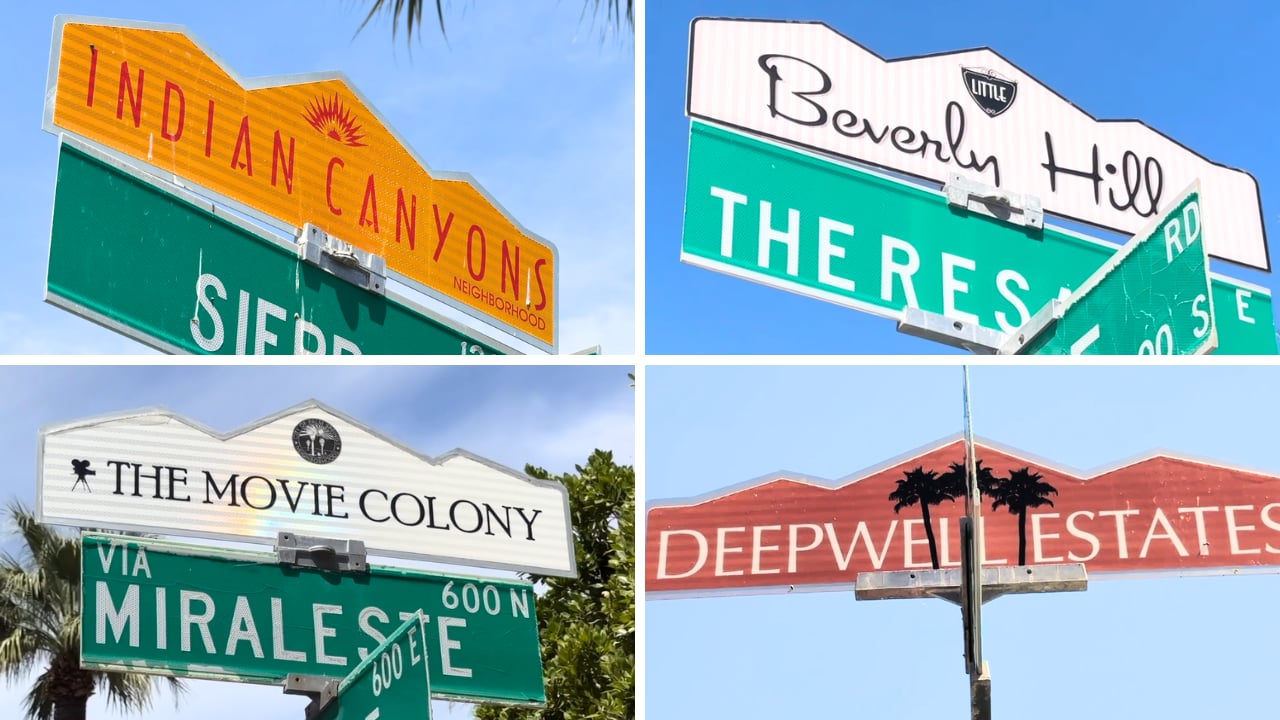
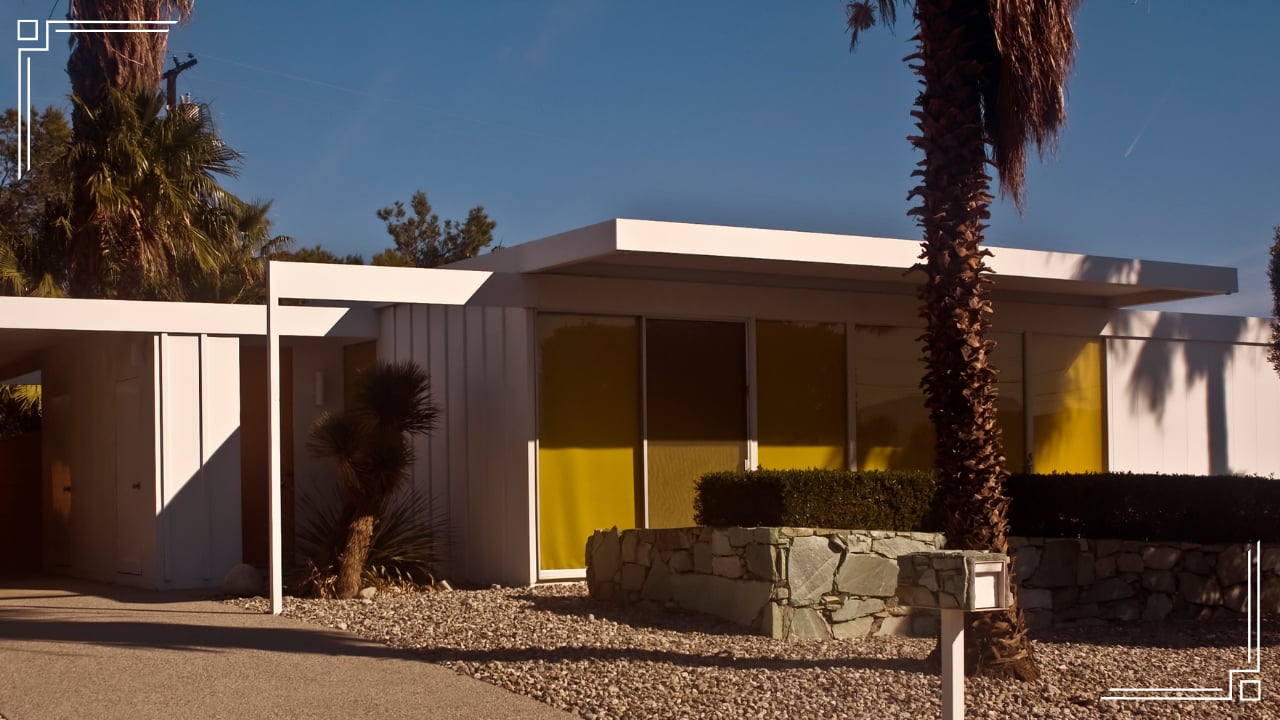
Palm Springs is a lifestyle market. People aren't buying square footage. They're buying architecture, community, energy, and a very deliberate version of how they want to live. A restored 1960s Alexander home in Movie Colony isn't competing with a new construction condo in a Phoenix suburb. It's competing with maybe a dozen other homes in a neighborhood that hasn't grown in sixty years and isn't going to start now.
That distinction matters enormously for buyers who are thinking long-term. Because when you're shopping for a lifestyle, not just a property, the supply constraints are far more specific – and far less forgiving – than in a conventional market.
What Palm Springs Home Values Have Actually Done
Over the past decade, Palm Springs home values have grown by well over 60 percent in many segments, depending on neighborhood and property type. More revealing than the growth itself, though, is what happened when conditions got challenging. When the broader market softened and interest rates climbed sharply, Palm Springs prices didn't meaningfully correct. They paused, then resumed their trajectory.
That's the behavior of a market with structural demand – one where the reasons people want to be here don't evaporate when mortgage rates tick upward.
For buyers waiting on the sidelines hoping for a meaningful dip, the math rarely works out the way they hope. Rates may eventually ease, but the home they're waiting to buy will likely cost more by the time they get there. And every year spent waiting is a year of equity growth that belongs to someone else.
The Inventory Problem
In inventory has nothing to do with interest rates. Palm Springs has a finite supply of what people actually want. Neighborhoods like Deepwell, Old Las Palmas, and Movie Colony are not growing. Nobody is building new mid-century modern inventory in walkable pockets near downtown with mountain views and the right kind of quiet. Those homes exist in the number they exist in, and that's it.
What happens over time is entirely predictable: the best homes get renovated beautifully and held for decades. Others move into a price tier that removes them from reach. Occasionally one becomes available, and multiple qualified buyers are immediately ready to compete for it.
If you wait five or ten years, Palm Springs will still be there. But it may not be the specific version of it you fell in love with on that first long weekend.
The Short-Term Rental Reality
For many buyers, the plan looks something like this: purchase the home now, enjoy it part-time, rent it short-term when they're not there, and let the rental income help offset carrying costs. It's a logical strategy, and in the right circumstances, it works well in Palm Springs.
The critical detail that often goes undiscovered until late in the process: Palm Springs has a thoughtful and fairly strict regulatory environment around short-term rentals. Vacation Rental Registration Certificates are required, and most neighborhoods cap short-term rental permits at 20 percent of homes in the area. In some of the most desirable neighborhoods, those caps are already at or near capacity.
Which means a buyer who waits could purchase the perfect home in the perfect neighborhood and discover their entire rental income strategy is simply unavailable to them. The permit cap isn't a bureaucratic inconvenience – it's the difference between a smart investment and a carrying cost you hadn't planned for.
Choosing the right home in Palm Springs means understanding the rental rules of the specific neighborhood before you fall in love with the listing. I always discuss this carefully with all my clients well in advance.
Why Demand Here Isn't Going Anywhere
Some markets are popular because of a trend. Palm Springs is popular because of something more durable.
Palm Springs has one of the highest concentrations of LGBTQ+ residents in the country, with nearly half the population identifying as part of the community. That's not a demographic footnote – it represents a genuine social infrastructure that's woven into the identity of the city itself. For buyers coming from places where that kind of belonging isn't as visible or accessible, it becomes one of the most significant factors in their decision, often outweighing purely financial considerations.
Layer onto that the 14 million annual visitors to the Coachella Valley, a meaningful portion of whom eventually become buyers. Add continued migration from higher-cost California metros and an influx of high-net-worth buyers seeking privacy, space, and a lifestyle they can't find in a major city – and you have demand that doesn't soften easily, regardless of broader economic conditions.
The Strategy That Actually Works: Buy Now, Move Later
The buyers who consistently get the best outcomes in Palm Springs are not the ones who waited for perfect conditions. They're the ones who shifted their thinking from waiting to positioning.
They purchased earlier than they technically needed to. They used the home part-time while life continued elsewhere. They rented strategically where regulations allowed, letting rental income carry a portion of the mortgage. And they let equity accumulate quietly while they finished out careers, raised kids, or simply waited for life to align.
By the time they were ready to make Palm Springs their primary home, the house was already there waiting for them. No scramble, settling, or discovering that the neighborhood they wanted was no longer accessible at their budget.
The approach requires thoughtfulness: the right neighborhood, a clear understanding of rental regulations before closing, and a property genuinely aligned with your long-term lifestyle rather than just your short-term budget. Not every home supports this strategy. But the right one can reshape your financial trajectory in ways that compound over time.
TL;DR – What This All Means for You
If Palm Springs is on your radar within the next decade, the single most expensive thing you can do is wait passively. Inventory in the most desirable neighborhoods is finite and shrinking in terms of accessibility. Short-term rental permits in prime areas fill up and don't come back. Home values have grown over 60 percent in a decade and haven't shown meaningful willingness to reset. The buyers who win here are the ones who start positioning early, purchase strategically, and let time do the compounding.
Is This the Right Move for You?
Honestly, this approach isn't for everyone.
If you're chasing a quick flip, trying to time interest rate cycles to the quarter, or you're genuinely uncertain whether Palm Springs belongs in your future – this probably isn't the right moment for this conversation.
But if you've been coming here for years, if you already have a sense of where you'd want to live and how you'd want to spend your time, if community and design and long-term stability matter to you – then this is the kind of decision that rewards early clarity more than almost any other.
FAQ
Q: Is now a good time to buy real estate in Palm Springs?
A: For buyers with a long-term horizon, the evidence consistently points toward yes. Palm Springs home values have grown over 60 percent in the past decade and have shown resilience during broader market slowdowns. Inventory in desirable neighborhoods is finite, short-term rental permit caps are filling in many areas, and structural demand – driven by LGBTQ+ community density, high-net-worth migration, and 14 million annual Coachella Valley visitors – continues to support pricing. Waiting for a significant correction has historically cost buyers more than it has saved them.
Q: How do short-term rental permits work in Palm Springs?
A: Palm Springs requires a Vacation Rental Registration Certificate for all short-term rentals. Most residential neighborhoods cap STR permits at 20 percent of homes in the area. In several of the most sought-after neighborhoods, those caps are already at or near capacity, meaning buyers who wait risk purchasing in areas where the short-term rental option is no longer available to them.
Q: What are the best neighborhoods to buy in Palm Springs?
A: Neighborhoods like Deepwell, Old Las Palmas, and Movie Colony are among the most iconic and consistently desirable, offering mid-century modern architecture, established character, and strong long-term value. However, the "best" neighborhood depends heavily on your lifestyle priorities and whether you intend to use the property as a short-term rental – a factor that requires reviewing permit availability neighborhood by neighborhood before purchasing.
Q: Can I buy in Palm Springs now and move there later?
A: Absolutely, and for many buyers this is the most strategically sound approach. Purchasing earlier than you strictly need to allows you to build equity, secure rental permits while they're still available, and lock in access to the neighborhoods and property types you actually want – before they move into a higher price tier or simply disappear from the market.
Palm Springs Isn't Just a Beautiful Place to Live – It's a Smart Place to Invest
There are markets you buy into because the numbers make sense, and there are markets you buy into because the life makes sense. Palm Springs is one of the rare places that delivers both.
The combination of permanently finite inventory in iconic neighborhoods, a decade of sustained value growth, structural demand that doesn't depend on trends, and a lifestyle that genuinely can't be replicated anywhere else in the country creates the kind of investment case that holds up across economic cycles. Add in the potential for short-term rental income in one of California's most visited destinations, and the financial case becomes even more compelling.
But beyond the numbers, there is something Palm Springs offers that no spreadsheet quite captures: the feeling of arriving somewhere that already feels like yours. The architecture, the light, the community, the pace. For the right buyer, that's not a luxury – it's the entire point.
The smartest move is rarely the one you make when everything feels perfectly aligned. It's the one you make just before everyone else realizes they should have.
Question: Are you in 'someday' mode with Palm Springs, or have you already started making moves? Let me know in the comments below.
If you want to learn more, check out 10 Welcoming Neighborhoods: Why Palm Springs Should Be Your Next Home, Want to Retire in Palm Springs? This One Move Makes It Way Easier, and 5 Reasons Palm Springs Locals Are Selling Now.
What other questions do you have?
If you’re considering buying, selling, investing, or relocating to Palm Springs or the Coachella Valley – even if it’s a “someday” plan – call or text me anytime. No pressure. Just a smart strategy conversation based on your goals.
Your Palm Springs Insider,
Glen Nadeau
📱 Call or Text: 805-220-8097
📨 Email: [email protected]
📅 Zoom: Click here and let's schedule it!
💻 Website: www.modernlivingpalmsprings.com
🔎My Google Business Reviews ⭐️⭐️⭐️⭐️⭐️
PS- Are you a part of the LGBTQ+ community and looking to relocate to Palm Springs and the Coachella Valley? Check out our FREE “Palm Springs Enthusiasts LGBTQ+ Relocation Guide” and find out why Palm Springs is such an oasis of Pride and inclusivity – brought to you by The Palm Springs Guys and Glen Nadeau Real Estate 🏳️🌈
*We cannot guarantee any of the above statements or third-party links. Before you enter any transaction, you should read and review all contracts, leases, and information as they are unique and subject to changes. We recommend you consult with your accountant, attorney, tax advisor, and local real estate professionals prior to any real estate transactions.