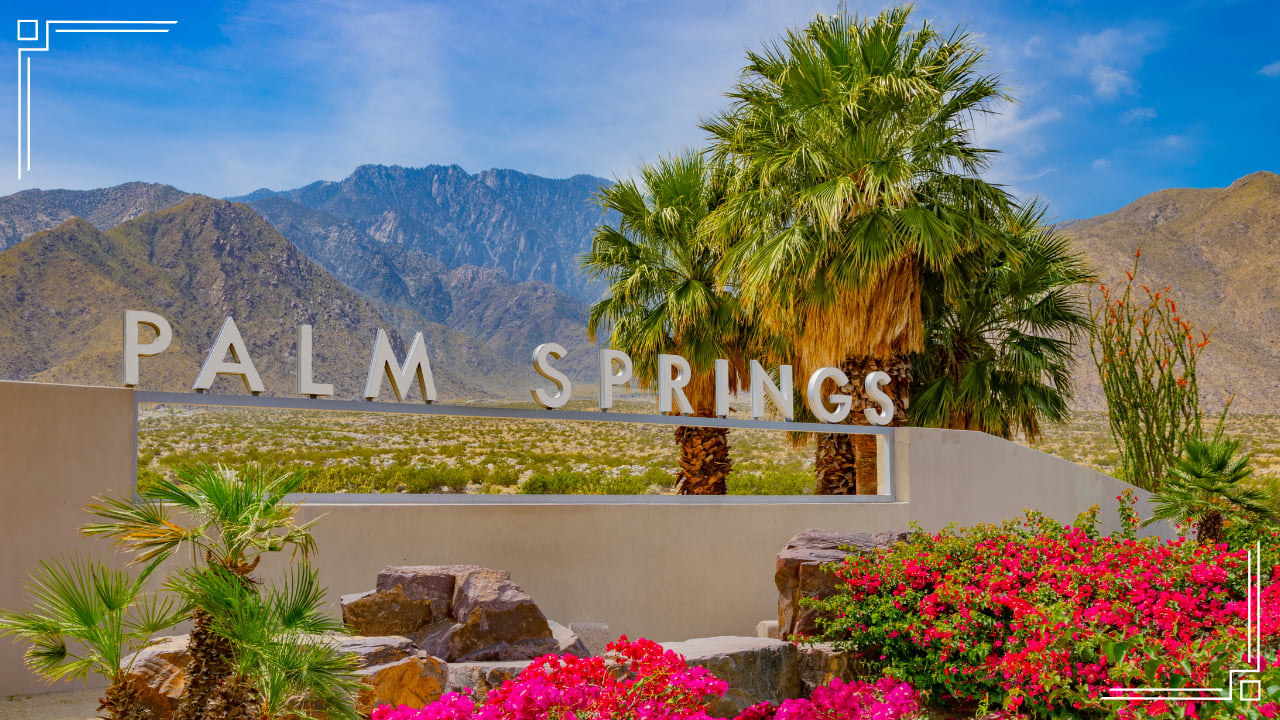
There is a question making its way through a lot of conversations right now, often over a cold drink somewhere with a mountain view in the background: should I buy in Palm Springs this summer, or just wait until fall when things "feel" better?
Here's an honest answer from someone who lives and works in this market every day. Waiting is a legitimate strategy. But in Palm Springs, it is not a neutral one – and the calendar matters here in ways that are different from most other markets in California. If you're thinking about buying a home in the Coachella Valley in 2026, this decision deserves more than a vague sense that fall will be clearer.
Let me walk you through what the actual data says, and what I'd be telling a close friend who asked me this same question over dinner.
In Short… Should You Buy a Home in Palm Springs This Summer or Wait Until Fall?
As of summer 2026, the Palm Springs and Coachella Valley real estate market is balanced but strategic – sitting at 6.4 months of inventory, 68 average days on market, and a 96.5% sold-to-list ratio. Buyers in the $800K–$3M range currently have more leverage than they have had in several years, with longer market times and seller flexibility on price adjustments and concessions. Waiting until fall may bring more inventory, but it also brings returning seasonal buyers and the possibility of increased competition – particularly if mortgage rates decline. The best move depends on your budget, preferred neighborhoods, property type, and whether the right home is available today.
The 2026 Palm Springs Market
A lot of buyers arrive in this conversation carrying the psychological weight of 2021 and 2022, when homes in Palm Springs were going over asking within days, inspections were being waived, and offers were written on the spot. That market is gone.
But what replaced it is not a buyer's paradise either. The current Palm Springs and Coachella Valley market is best described as strategic. As of March 2026, Greater Palm Springs was showing 6.4 months of inventory and 68 average days on market. The sold-to-list ratio was 96.5% – meaning well-priced homes are still selling close to asking, but buyers are no longer writing unconditional offers just to stay in the game. Valley-wide, roughly 3,670 active listings and 5.7 months of supply put us right near the six-month threshold that signals a balanced market.
That balance creates something that has been rare here for a while: room to think, compare, and negotiate. Not on every home – the best-priced properties in the most desirable neighborhoods are still moving. But on homes that have been sitting, homes with cosmetic needs, or listings where a seller initially overshot the market, there is room for a real conversation.
Why Summer 2026 May Be One of the Better Windows
Summer in the desert has an interesting disadvantage that actually works in a smart buyer's favor. Seasonal residents are gone. The pool of competing buyers shrinks. And sellers who are still active in July tend to be motivated sellers – the ones who need to move, not the ones who can afford to wait for next season's fresh wave of shoppers.
For buyers in the $800K to $3 million range, the numbers are particularly compelling right now. Late-April 2026 analysis of the Coachella Valley specifically identified that segment as one where rising inventory, longer days on market, and easing rate pressure were combining to create real opportunity. Homes over $2 million were sitting at 7.1 months of supply. The $800K–$899K range was showing 6.7 months. These are not buyer-panic numbers – they are leverage numbers.
Summer Also Teaches You Things Fall Can't
One underappreciated advantage of touring Palm Springs homes in summer is what you learn. How does the HVAC actually perform on a 108-degree afternoon? Does the west-facing master bedroom feel livable at 3pm, or does it feel like a punishment? Is the pool equipment keeping up? How's the irrigation holding the landscaping together? These are not minor questions in the desert – they're part of what you'll actually own. A home that performs well in July tells you something important that a December showing simply cannot.
When Waiting Until Fall Actually Makes Sense
Fall is not wrong. Some buyers absolutely should wait, and I'll tell you who.
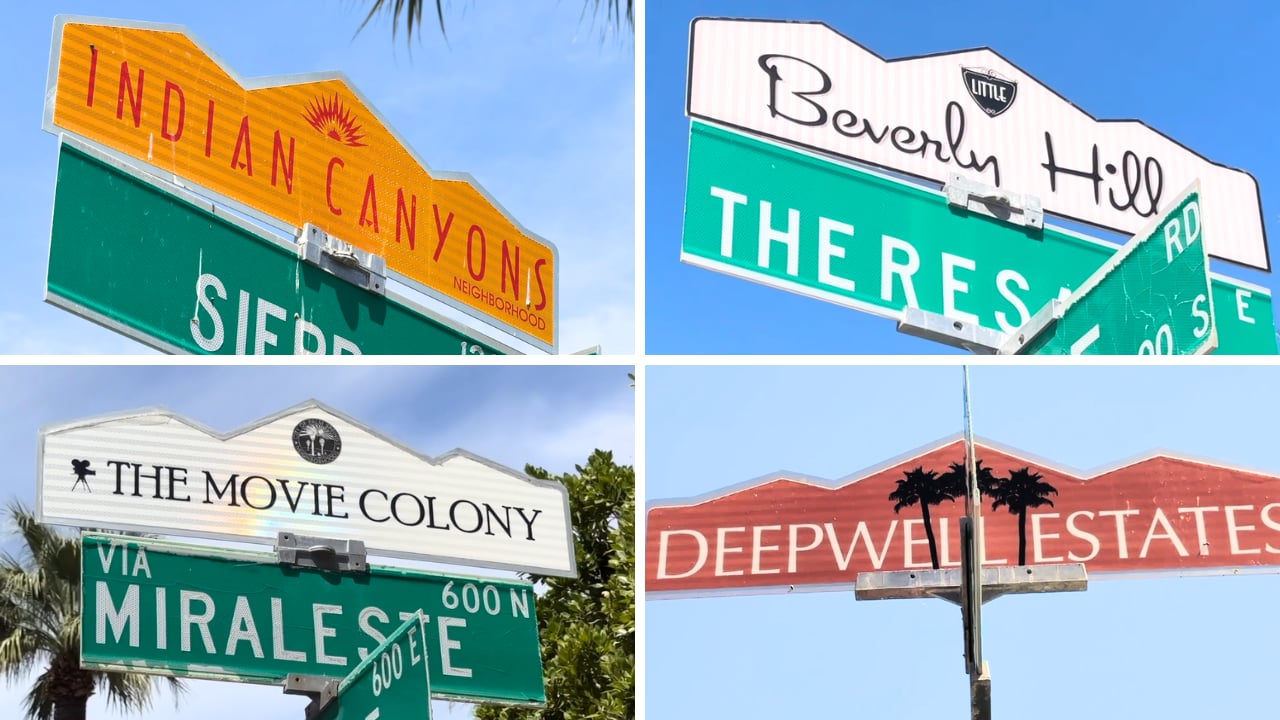
If you haven't yet defined your budget clearly, or if you're still in the early stages of understanding the difference between Old Las Palmas and the Movie Colony, the Uptown Design District and South Palm Springs – those distinctions matter, and getting them wrong is expensive. If you need to sell a property before you can move, or if your financing isn't in place, use summer to get ready rather than get moving.
Autumn in the Coachella Valley is genuinely appealing. Temperatures ease. Seasonal residents return. New listings come to market as sellers prepare for winter traffic. The lifestyle energy that makes Palm Springs magnetic – the farmers markets, the restaurant patios, the gallery openings – comes back to life in a way that makes it easier to feel whether a neighborhood actually fits you.
The Trade-Off Worth Understanding
Here's what most buyers don't fully account for when they decide to wait: you won't be the only person who noticed the weather got nicer. The same seasonal buyers who left in April come back in October. NAR's 2026 outlook suggested home sales may rise roughly 14% nationally this year, in part because lower mortgage rates should qualify more buyers. If rates drift lower by fall, your monthly payment may improve – but so might everyone else's buying power. You may gain affordability and lose leverage at the same time.
The Risk: It's Not Prices – It's Availability
The conversation about timing almost always defaults to price and rates. But in Palm Springs, the more important risk is simpler than that. The exact home you want may not exist by fall.
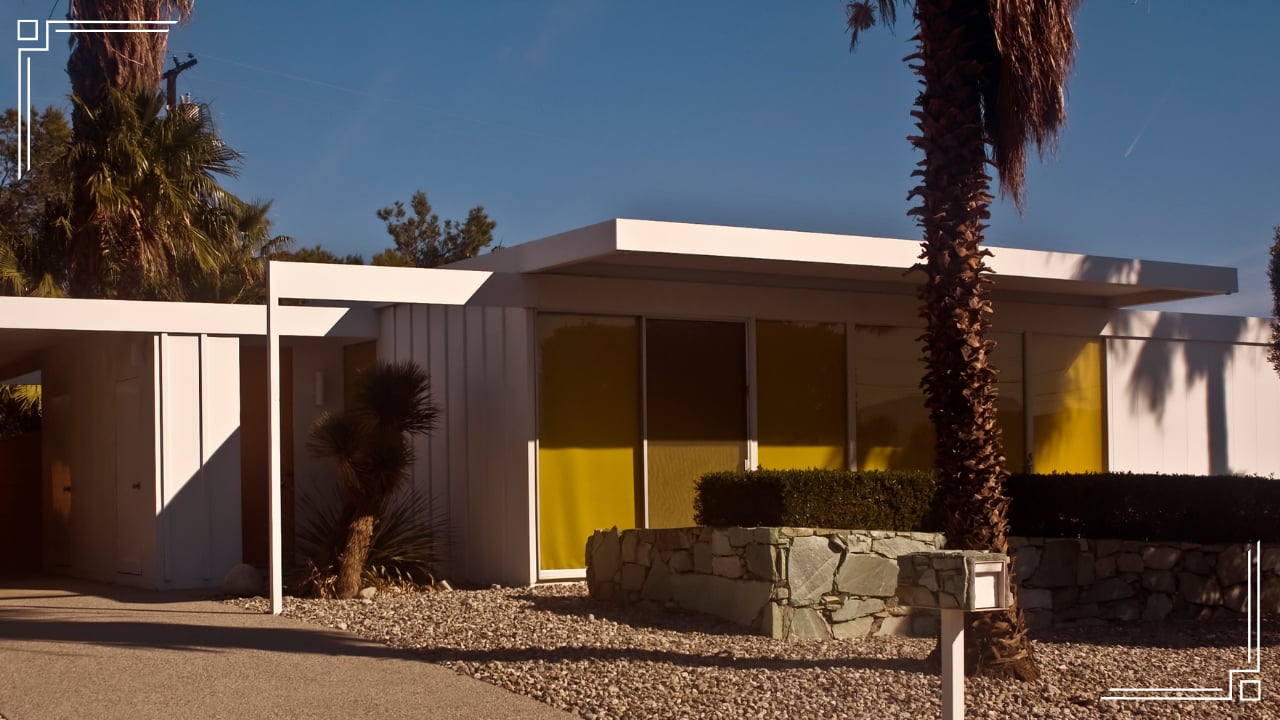
Palm Springs buyers tend to have highly specific requirements: mountain views from a particular orientation, fee-simple land versus lease land, short-term rental eligibility in a neighborhood that hasn't hit its permit cap, a certain mid-century pedigree, walkability to Palm Canyon Drive. These features don't distribute evenly across inventory. When the right home is available and the numbers work, the opportunity is present. When it sells to someone who moved while you were deliberating, you're back to waiting for a replacement – and the replacement is rarely better.
The Strategy That Can Change The Equation
This is the conversation I find myself having most often with buyers who are a few years out from retirement – and it's one I genuinely believe in.
If Palm Springs is anywhere on your long-term horizon, buying your retirement home now and renting it out until the timing is right can be one of the most financially elegant moves available to you. Someone else helps pay your mortgage. Equity builds quietly. And when life, work, and emotional timing all align, the home is already there waiting for you – in the neighborhood you chose, on the street you loved, at a basis you locked in before fall competition returned.
The key is doing this right from the start, which means understanding Palm Springs' short-term rental framework upfront. The city requires a Vacation Rental Registration Certificate and permit, and there's a cap on permitted rentals per neighborhood – 20% of total homes in a given area. Some neighborhoods still have permit availability; others are at capacity. This is one of the first things I walk every buyer through, so the rental income potential you're counting on is real before you commit – not a surprise after.
For LGBTQ+ Buyers
Nearly half of Palm Springs' permanent population now identifies as LGBTQ+. This isn't a marketing statistic – it's the texture of daily life in the city. There are longstanding neighborhoods, businesses, cultural institutions, and social networks built around that identity, and they don't go anywhere in July. For buyers who are choosing Palm Springs specifically because of that built-in sense of community and safety, summer is actually a meaningful time to experience it authentically – the local version, not the tourist version. If finding a place where you feel genuinely at home is part of the criteria, that's worth seeing for yourself.
Frequently Asked Questions
Is summer a good time to buy a home in Palm Springs?
Yes – summer can be an excellent time to buy in Palm Springs, particularly for buyers in the $800K–$3M range. With fewer seasonal buyers competing and sellers more open to negotiation, summer 2026 offers some of the most buyer-favorable conditions in recent years. The trade-off is less selection than fall, but the leverage advantage can more than compensate.
Will Palm Springs home prices drop in fall 2026?
Meaningful price drops are unlikely in desirable Palm Springs neighborhoods. The more relevant risk for buyers who wait isn't a price increase – it's that the specific home they want sells to someone else. Homes with mountain views, strong architectural pedigree, or short-term rental eligibility don't follow broad market averages. Waiting for a dramatic correction in premier desert communities has historically been a poor strategy.
Can I buy a home in Palm Springs and rent it out as a vacation rental?
Yes, with the right preparation. Palm Springs requires a Vacation Rental Registration Certificate and permit for any short-term rental, and neighborhoods are generally capped at 20% permitted homes. Some areas still have availability; others do not. Always confirm permit eligibility before purchasing a home with short-term rental income as part of your plan.
What is the current Palm Springs real estate market like in 2026?
As of spring 2026, the Greater Palm Springs market is balanced and active. Inventory sits at 6.4 months, average days on market are 68, and the sold-to-list ratio is 96.5%. Valley-wide, approximately 3,670 active listings and 5.7 months of supply reflect a market where strategy matters more than speed – well-priced homes still sell, but buyers have meaningful room to negotiate.
The Bottom Line on Buying in Palm Springs
Palm Springs is not a market you time perfectly. It's a market you enter when you're ready and the right home is in front of you.
The case for buying this summer is real: more leverage, less competition, motivated sellers, and the rare ability to negotiate on homes that would have moved in a weekend three years ago. The case for waiting until fall is also real, for buyers who need more time to get ready, clarify their priorities, or wait for a specific property type that isn't currently available.
What isn't a strategy is waiting indefinitely because the market doesn't feel perfectly comfortable. It never does. And in Palm Springs, the homes people regret most are not the ones they bought at the wrong time – they're the ones they didn't buy at the right time.
Palm Springs is one of the most remarkable places to own real estate in California. It offers architectural distinction, a genuine and long-established LGBTQ+ community, a short-term rental market with real income potential, a retirement lifestyle that is difficult to replicate elsewhere at this price point, and a desert landscape that, once it gets into your nervous system, tends to stay there. The buyers I work with who have purchased here – whether for immediate use, future retirement, or as a rental investment – almost universally say the same thing when I follow up a year later: I'm glad I didn't wait.
Before you decide to hold off, let's look at what your actual buying power gets you right now in the neighborhoods you'd truly want. That conversation costs nothing and tends to make the decision a lot clearer.
In A Nutshell (TL;DR)
Summer 2026 offers Palm Springs buyers real leverage: 6.4 months of inventory, 68 days on market, motivated sellers, and fewer competing buyers. Fall may bring more listings – but also more competition. The biggest risk of waiting isn't a price jump; it's that the specific home you want won't be there. If you're financially ready and clear on what you want, this summer may be the smartest window in years.
Are you currently weighing whether to buy in Palm Springs this summer or hold off until fall? What's the biggest factor pulling you in one direction or the other? Let me know in the comments below.
If you want to learn more, check out 10 Welcoming Neighborhoods: Why Palm Springs Should Be Your Next Home, The Smartest Palm Springs Buyers Aren't the Ones Who Waited, and The City Built for You: What Same-Sex Couples Need to Know About Palm Springs Real Estate.
What other questions do you have?
If you’re considering buying, selling, investing, or relocating to Palm Springs or the Coachella Valley – even if it’s a “someday” plan – call or text me anytime. No pressure. Just a smart strategy conversation based on your goals.
Your Palm Springs Insider,
Glen Nadeau
📱 Call or Text: 805-220-8097
📨 Email: [email protected]
📅 Zoom: Click here and let's schedule it!
💻 Website: https://www.modernlivingpalmsprings.com
🔎 My Google Business Reviews ⭐️⭐️⭐️⭐️⭐️
PS- Are you a part of the LGBTQ+ community and looking to relocate to Palm Springs and the Coachella Valley? Check out our FREE “Palm Springs Enthusiasts LGBTQ+ Relocation Guide” and find out why Palm Springs is such an oasis of Pride and inclusivity – brought to you by The Palm Springs Guys and Glen Nadeau Real Estate 🏳️🌈
*We cannot guarantee any of the above statements or third-party links. Before you enter any transaction, you should read and review all contracts, leases, and information as they are unique and subject to changes. We recommend you consult with your accountant, attorney, tax advisor, and local real estate professionals prior to any real estate transactions.